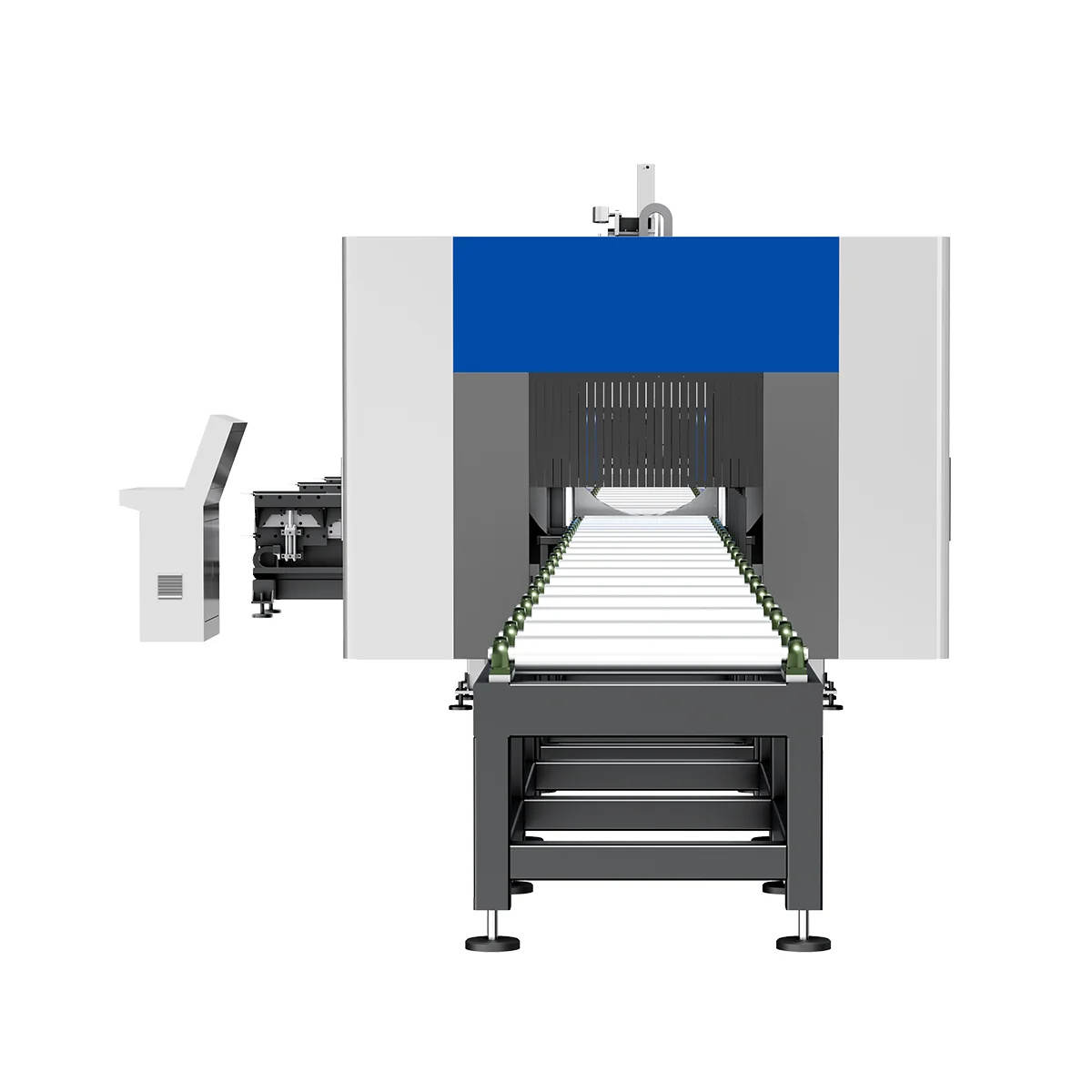
V100 Structural Steel Profile Laser Cutting Machine
Tube Laser Cutting Machine
- Tube Processing Range
- Round tubes: dia. 150-1000 mm; Square tubes: 150 x 150-850 x 850 mm; I-beams and H-beams channel steel: 10#-85#
- Loading Length
- 12000 mm

Explore this laser cutting machine guide. Compare model specifications and configuration options, then prepare the requirements for your equipment enquiry.
Tube Laser Cutting Machine
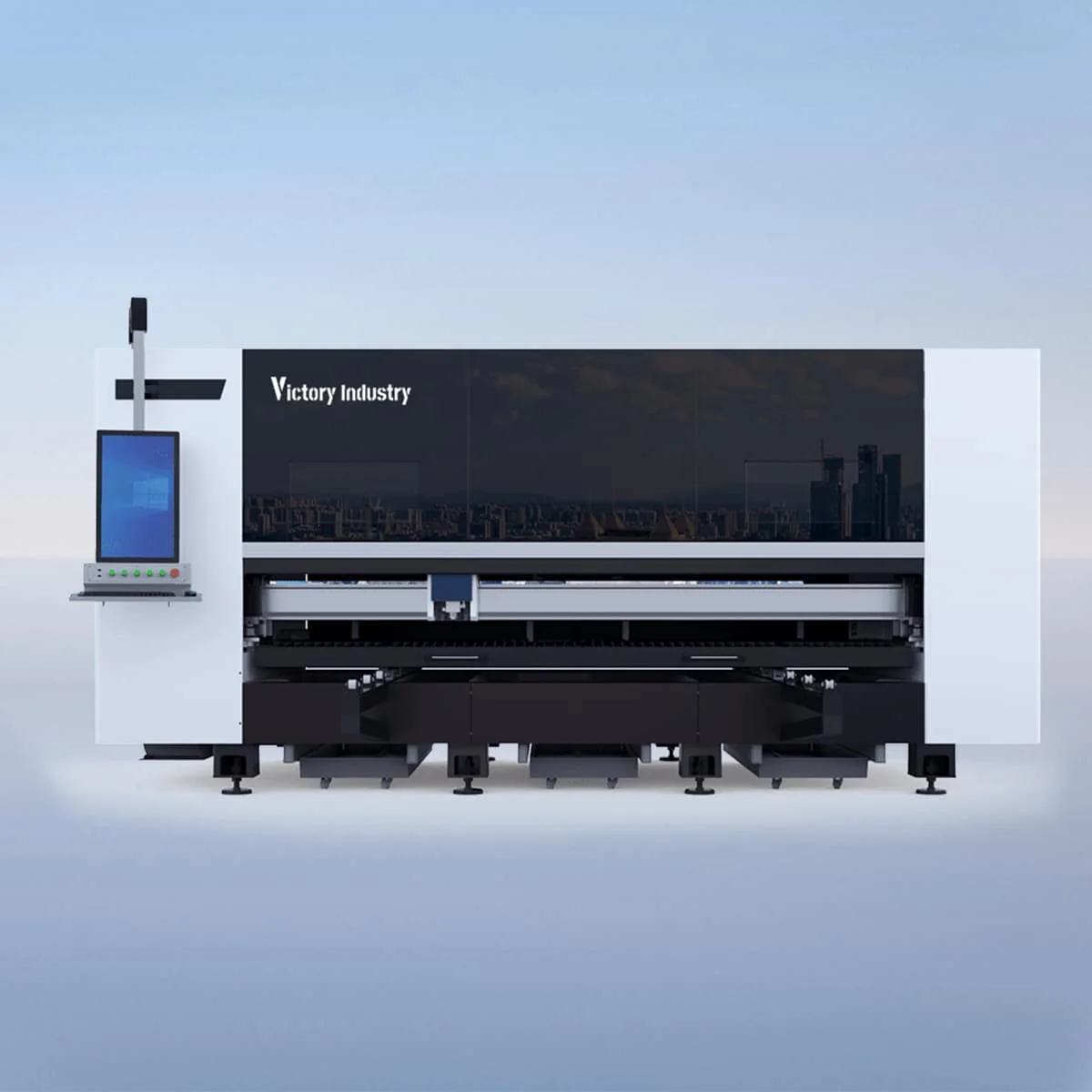
Sheet Laser Cutting Machine
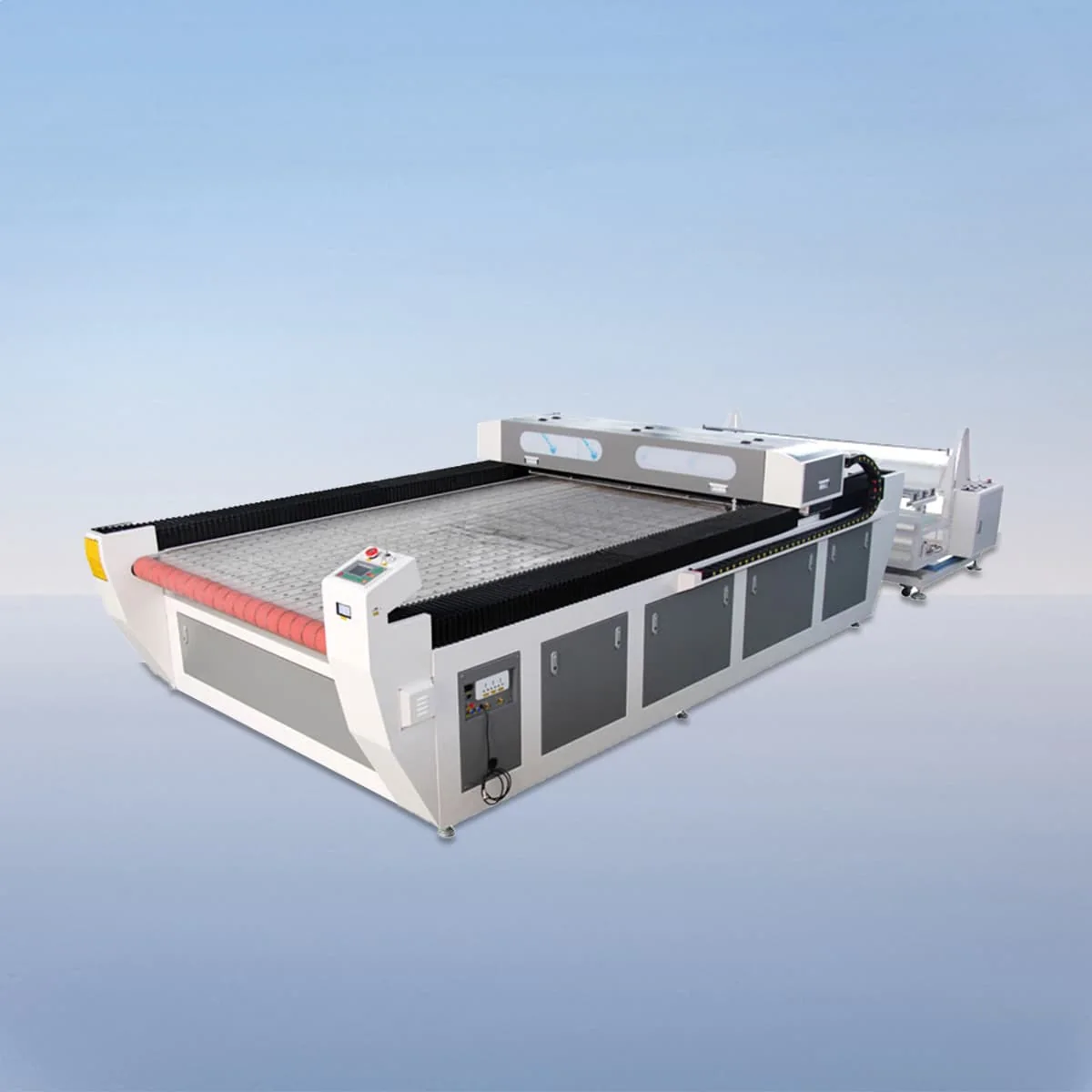
Laser Cutting Machine
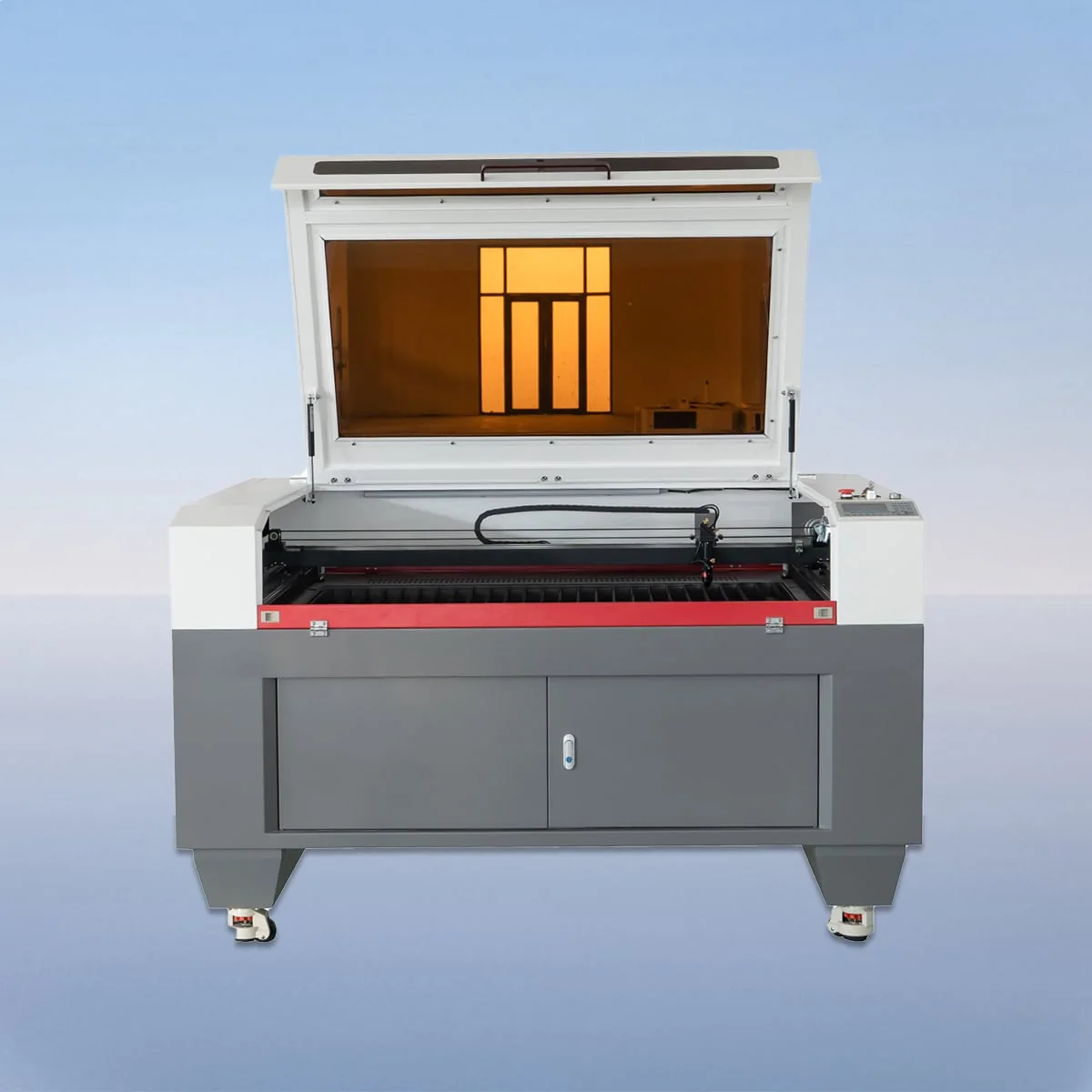
Laser Cutting Machine
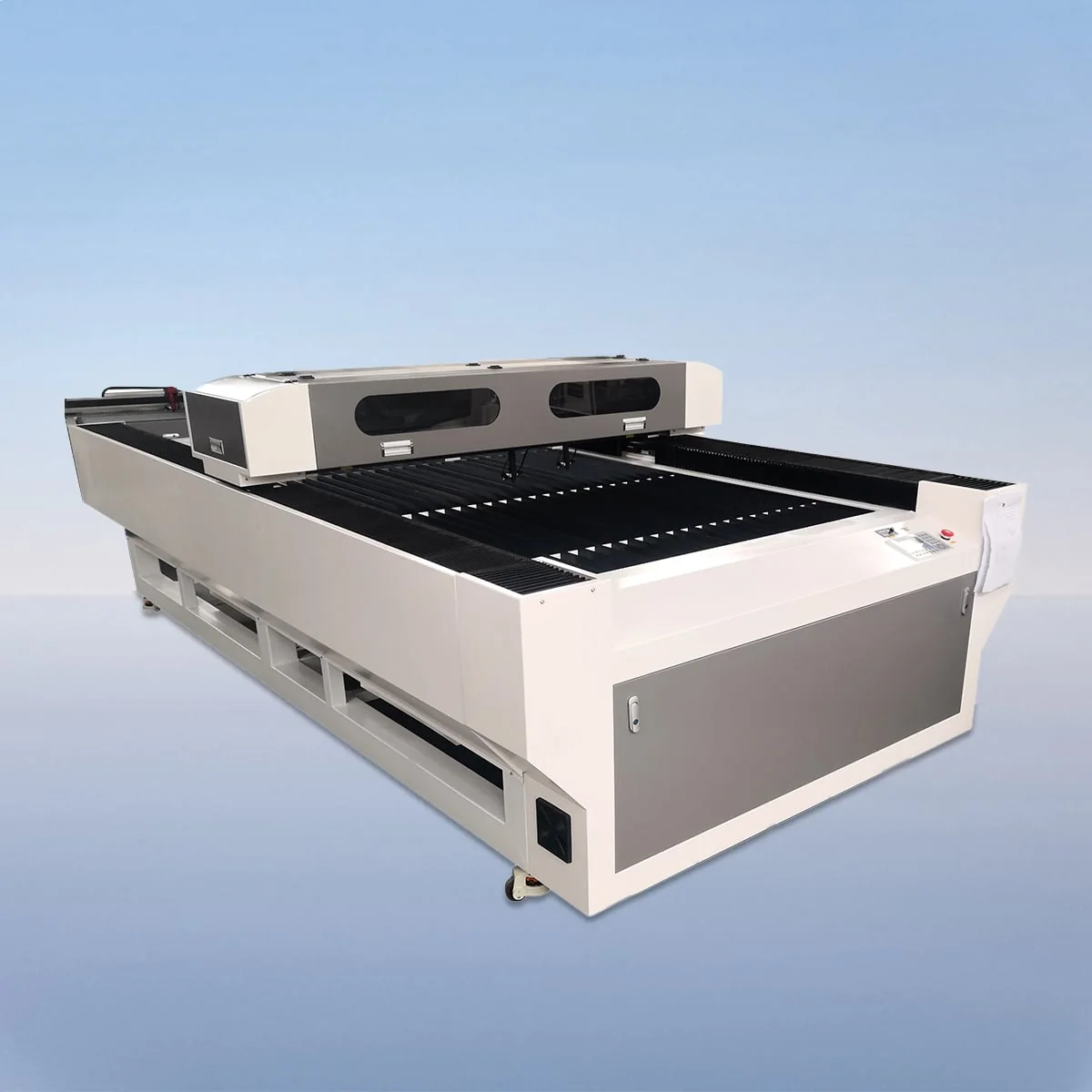
Laser Cutting Machine
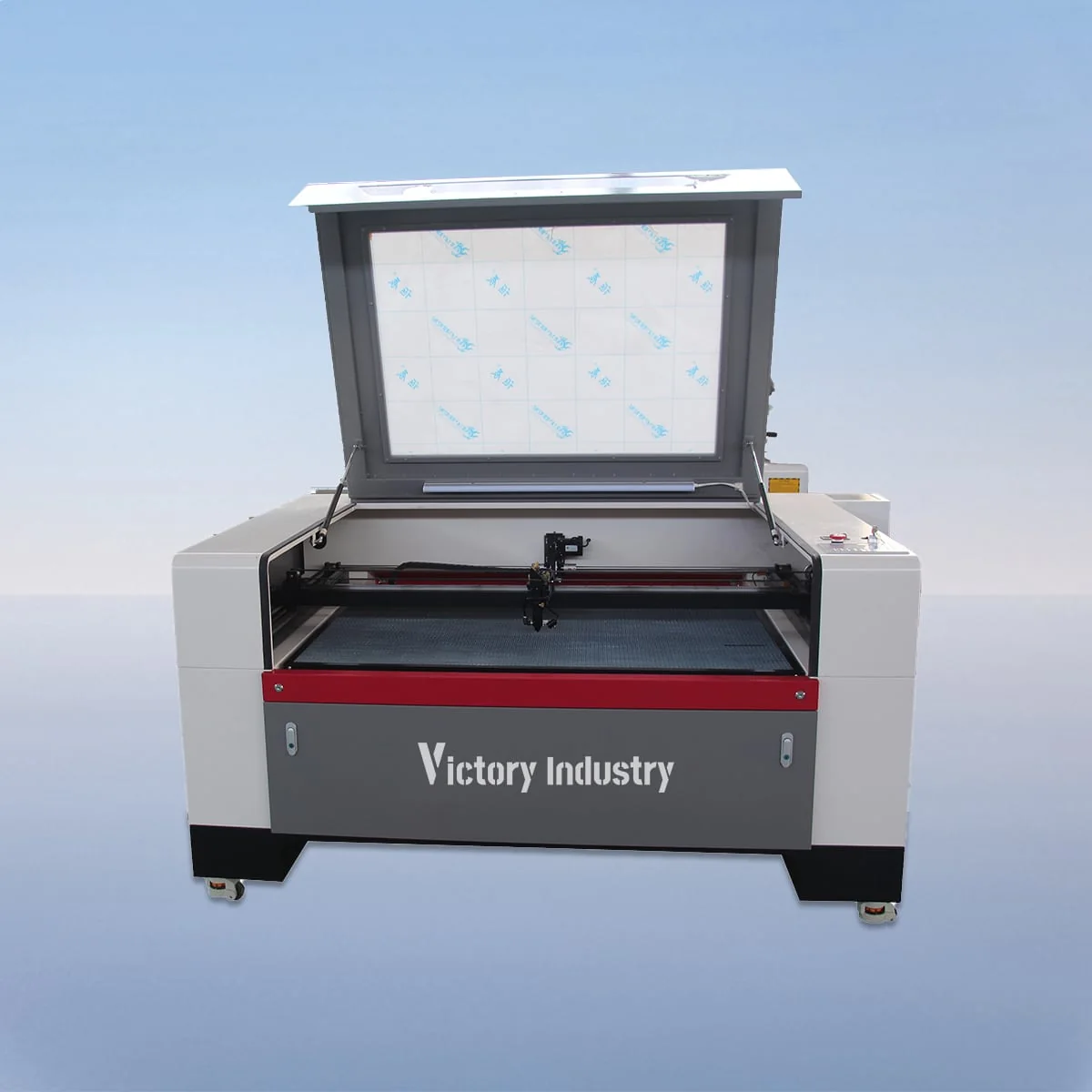
Laser Cutting Machine
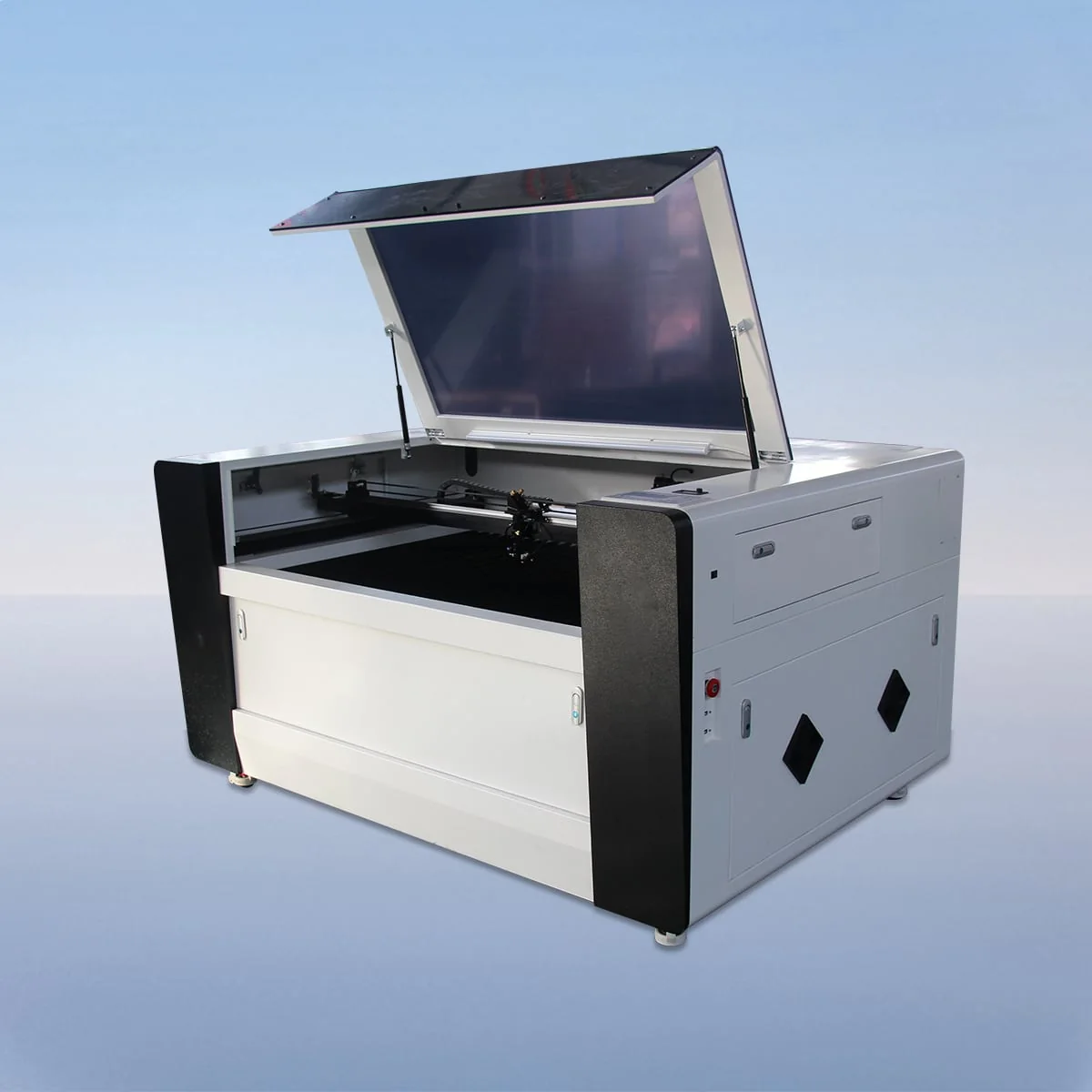
Laser Cutting Machine
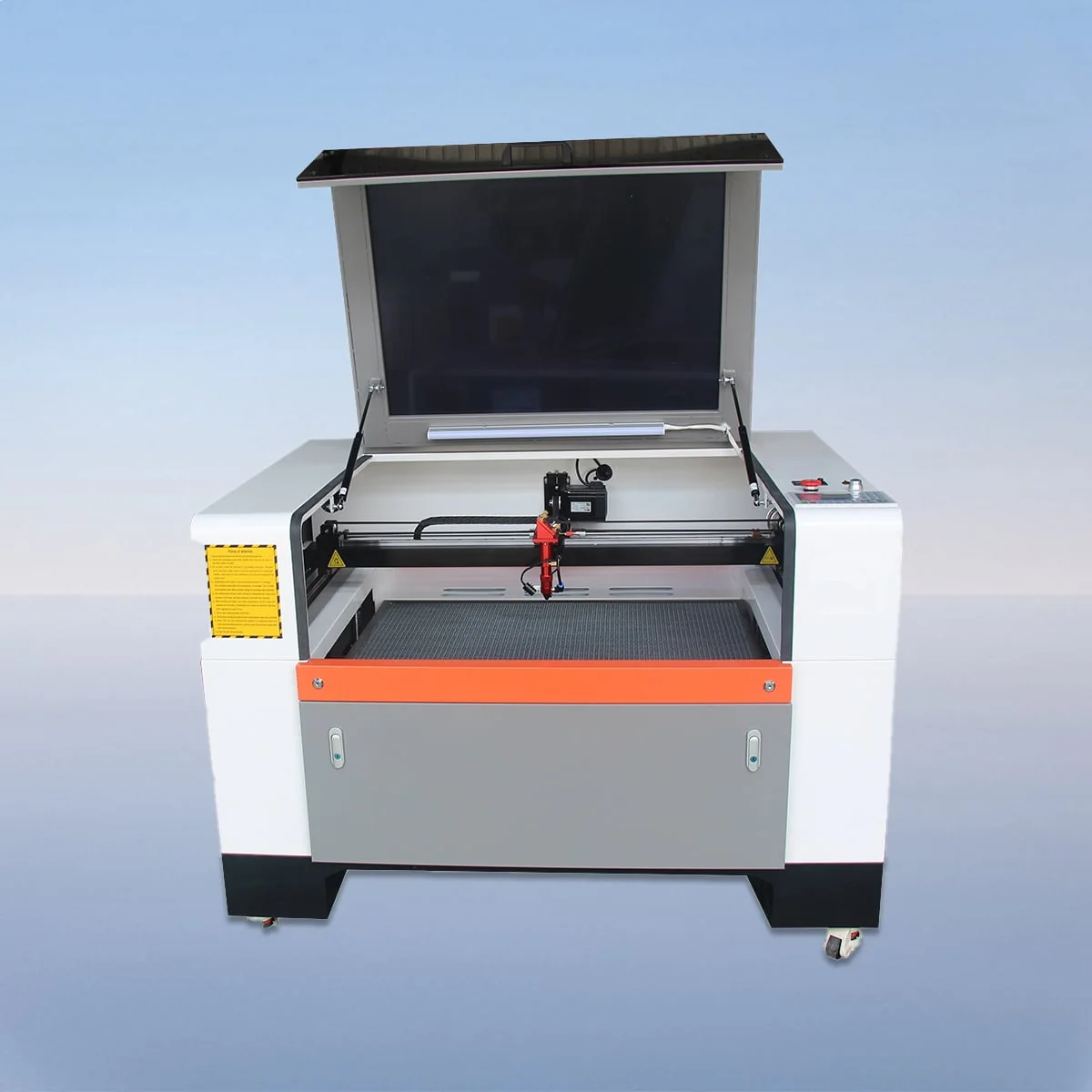
Laser Cutting Machine
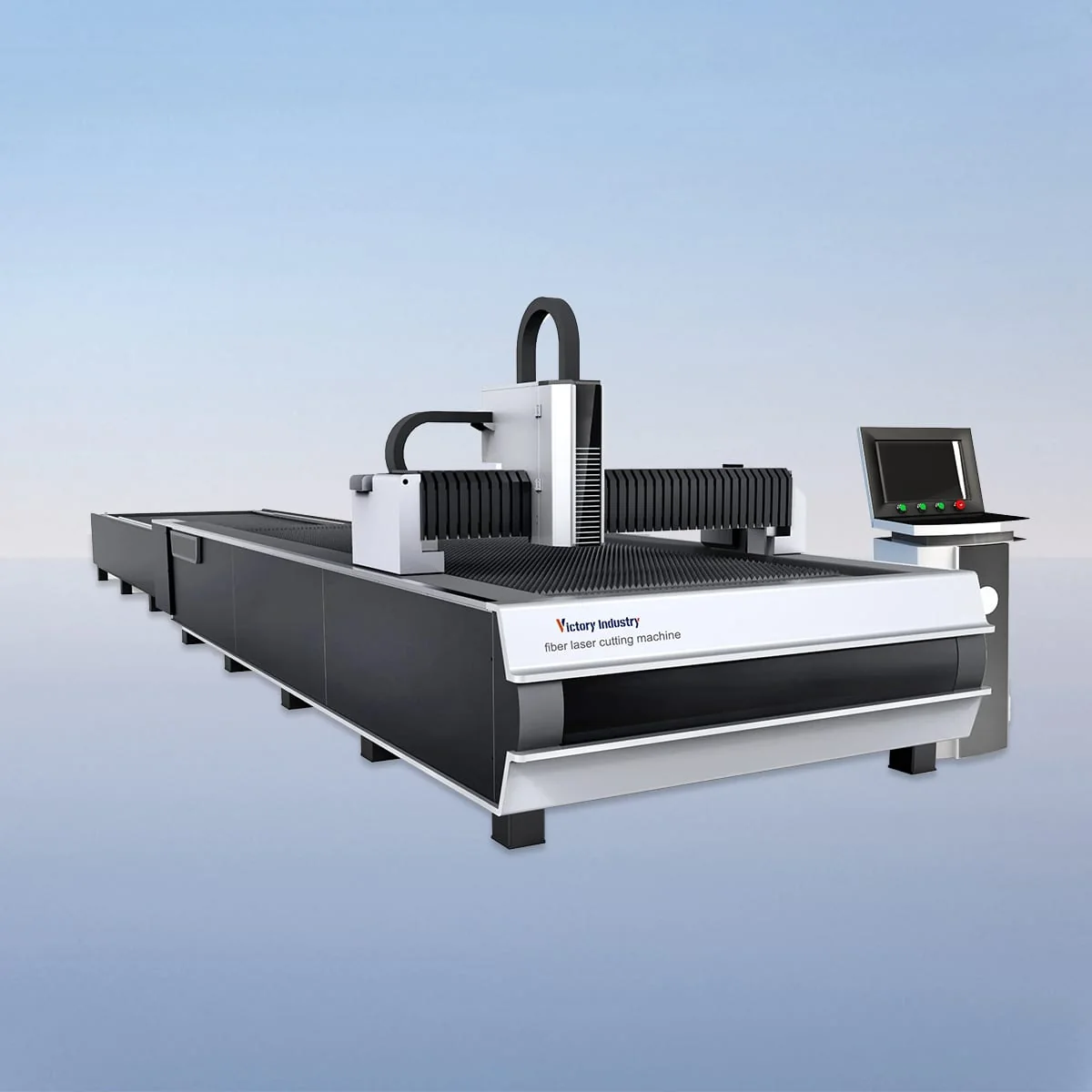
Sheet Laser Cutting Machine
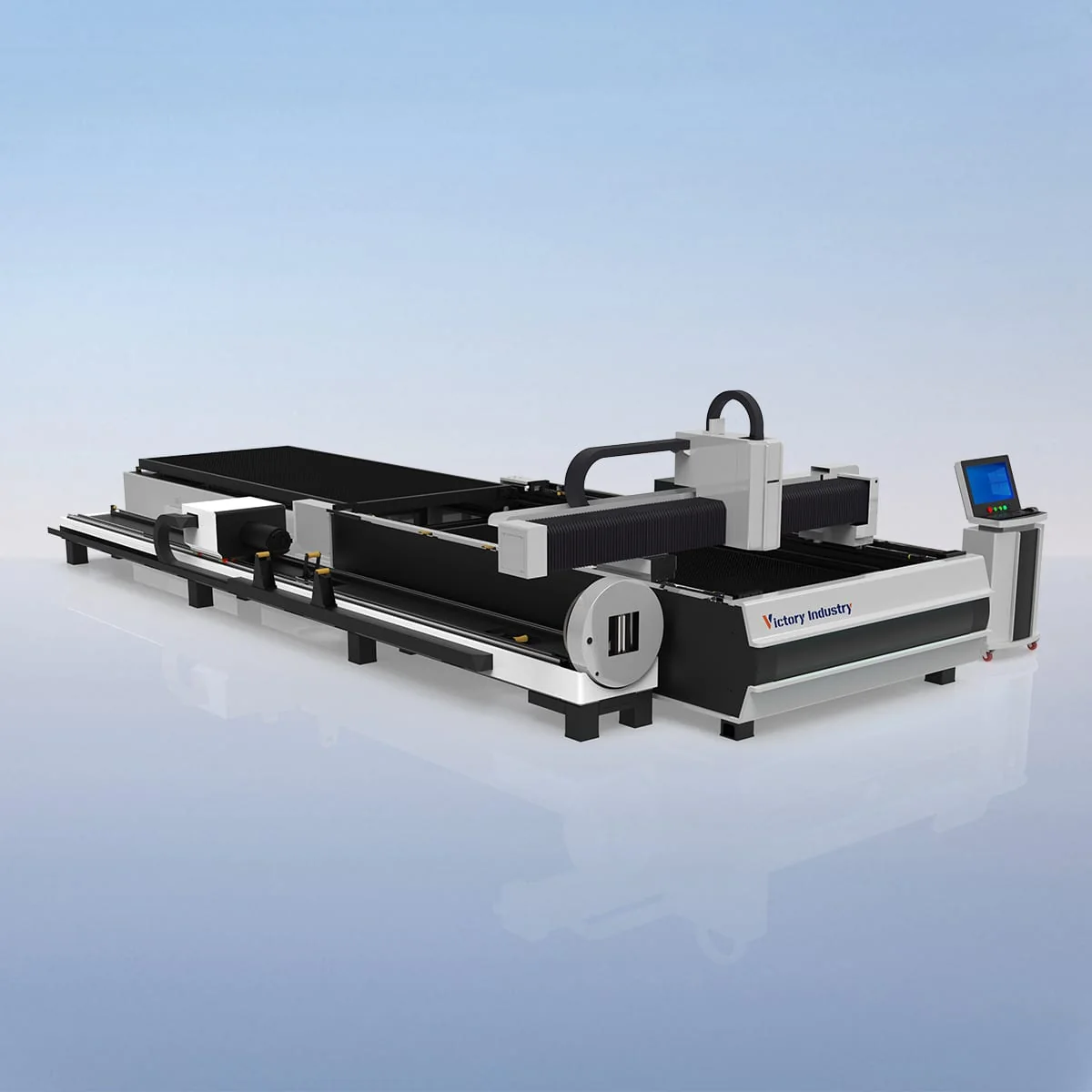
Tube And Sheet Laser Cutting Machine
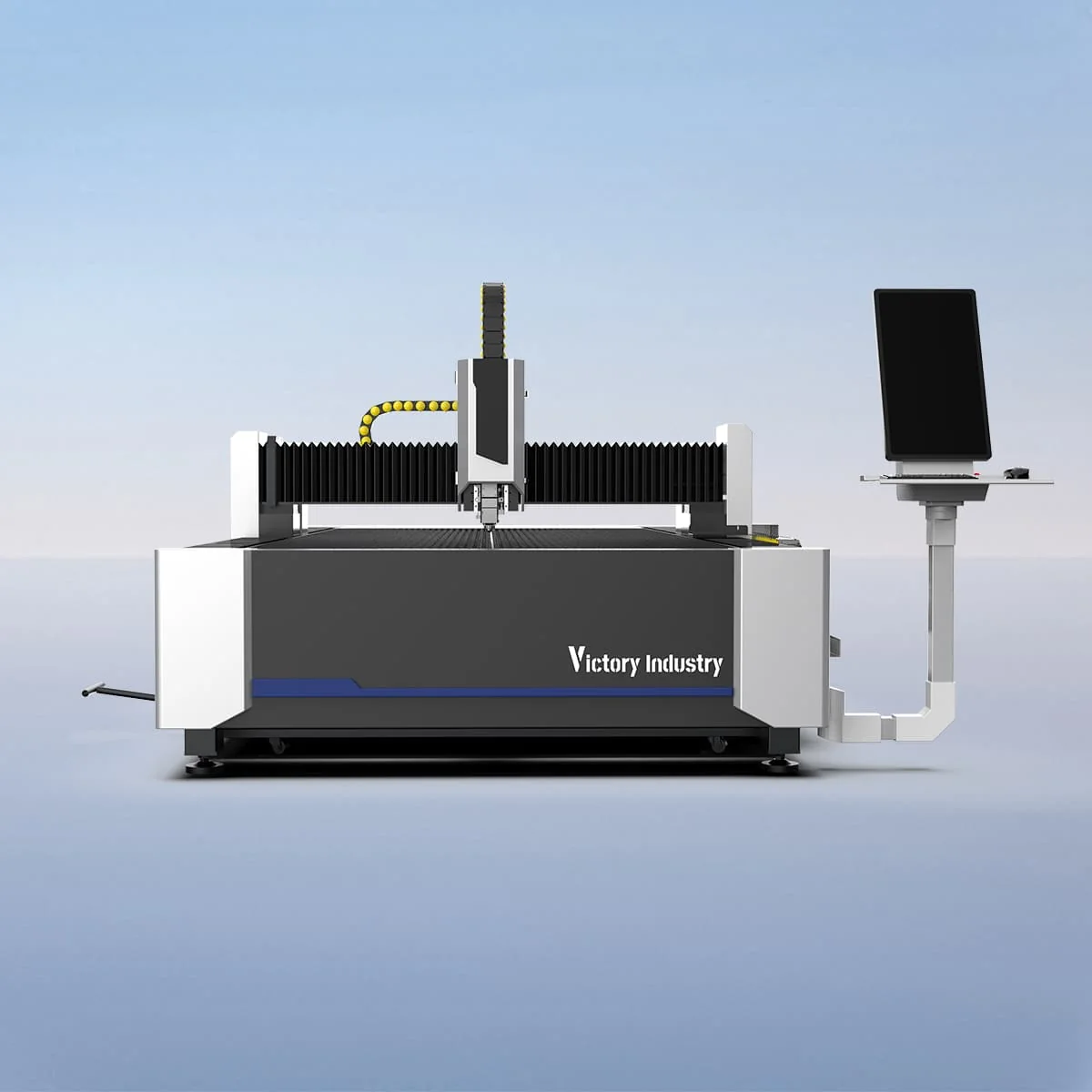
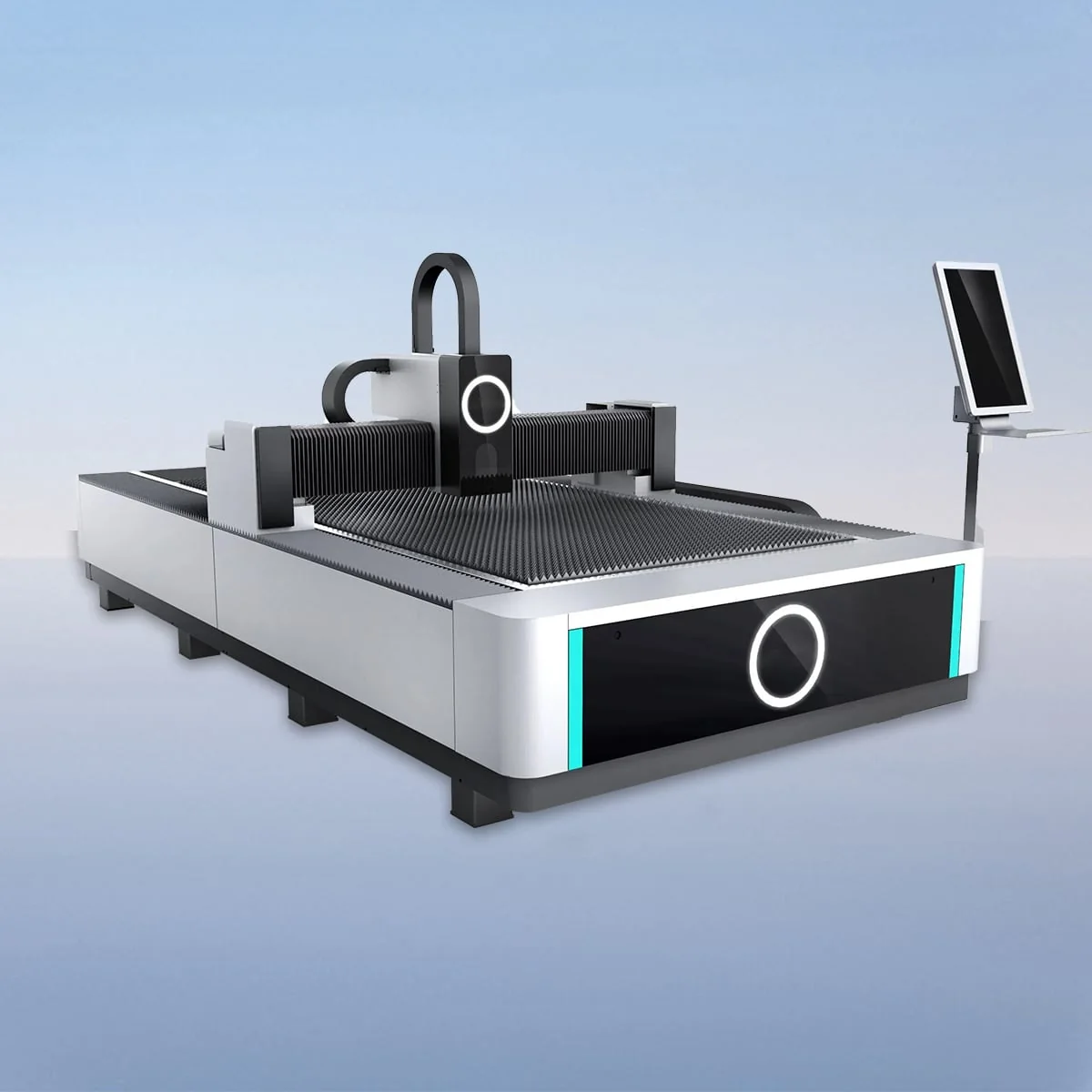
Sheet Laser Cutting Machine
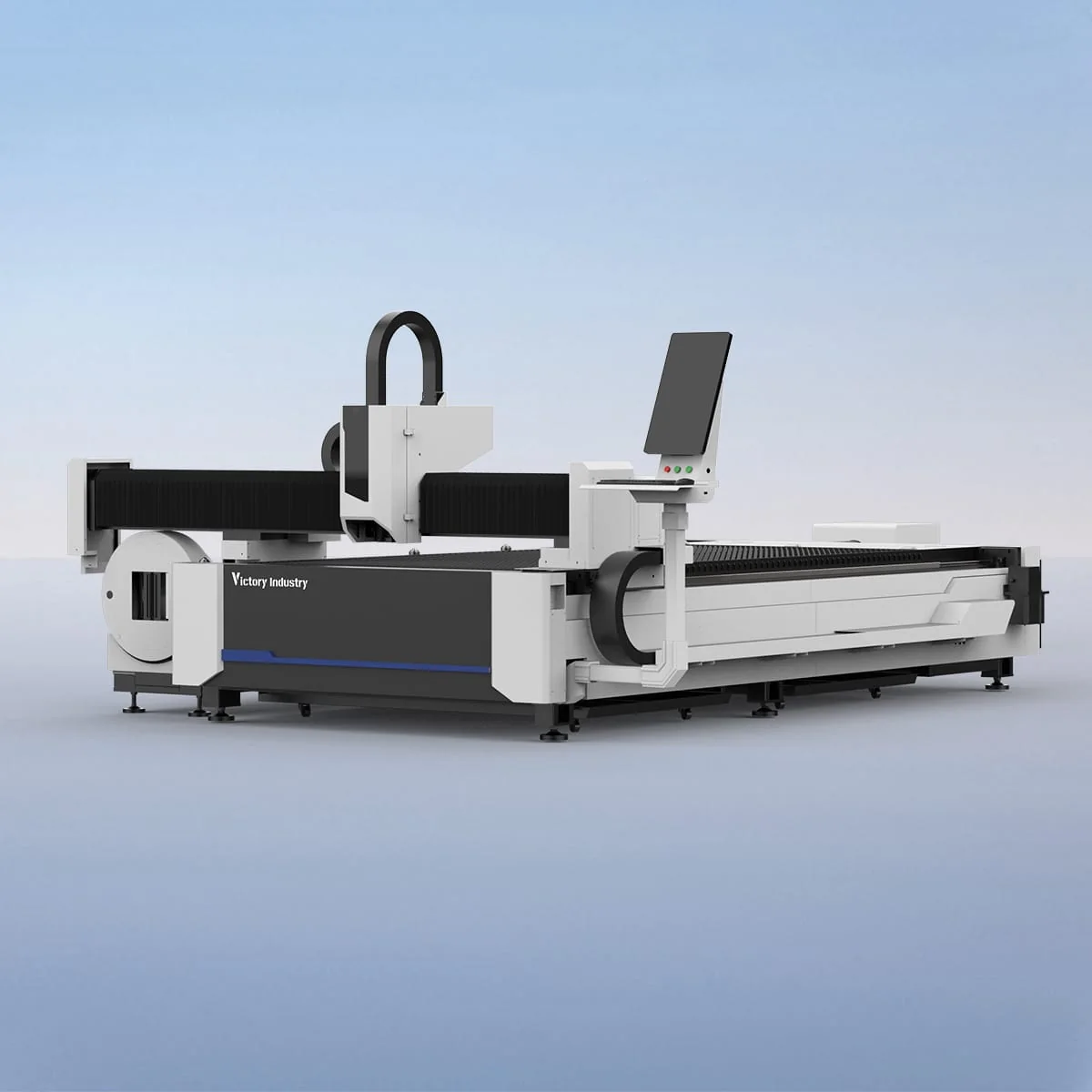
Tube And Sheet Laser Cutting Machine
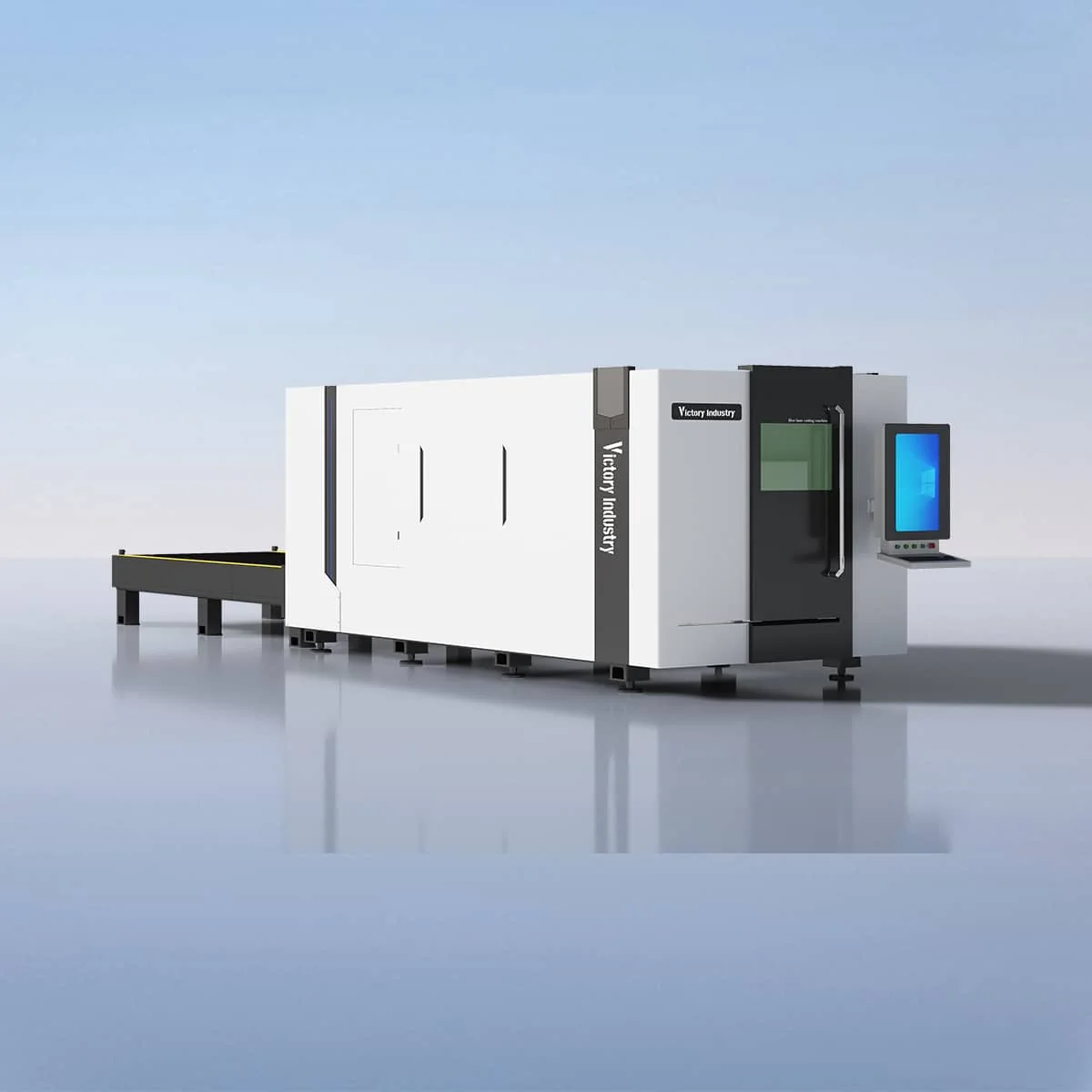
Sheet Laser Cutting Machine
Sheet Laser Cutting Machine
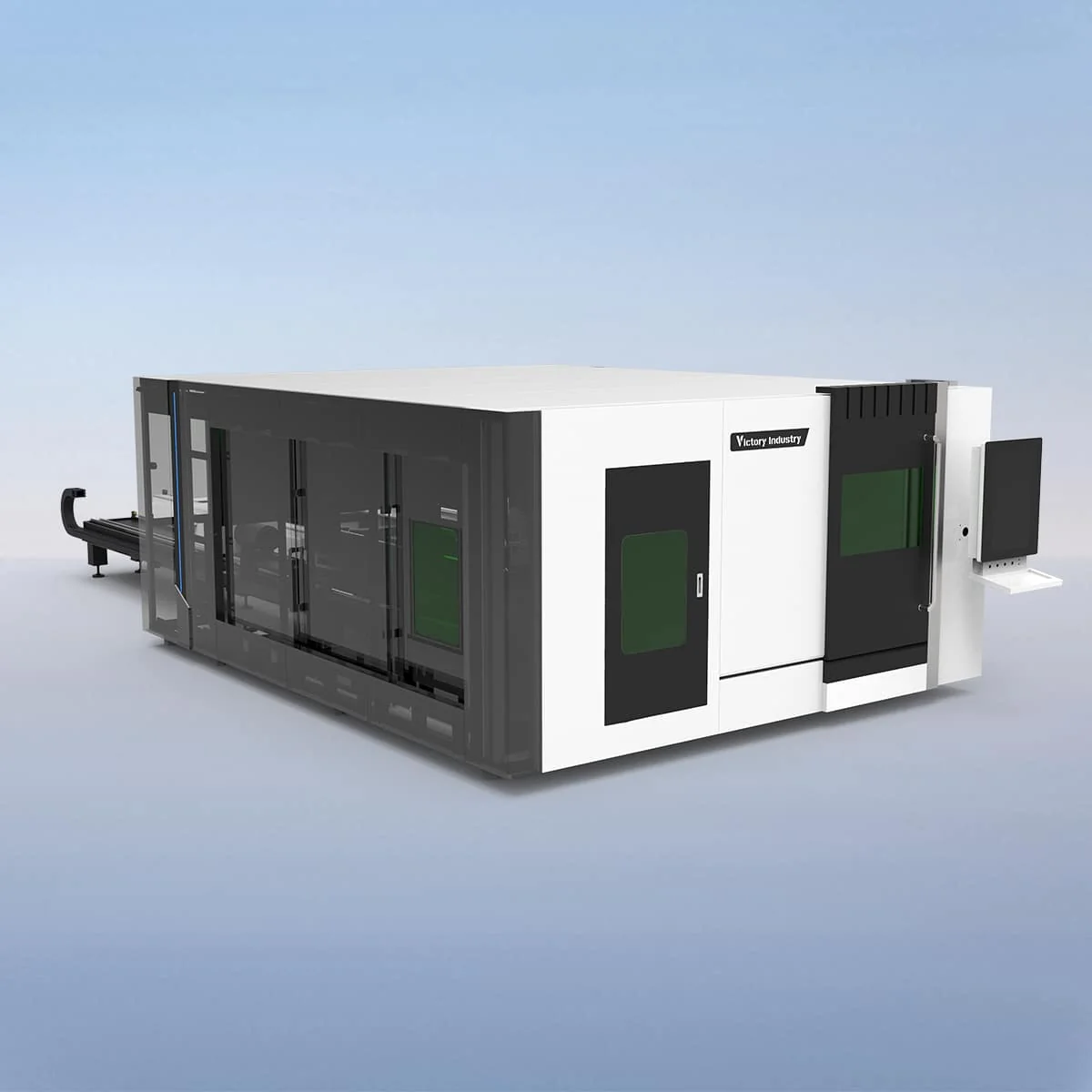
Tube And Sheet Laser Cutting Machine
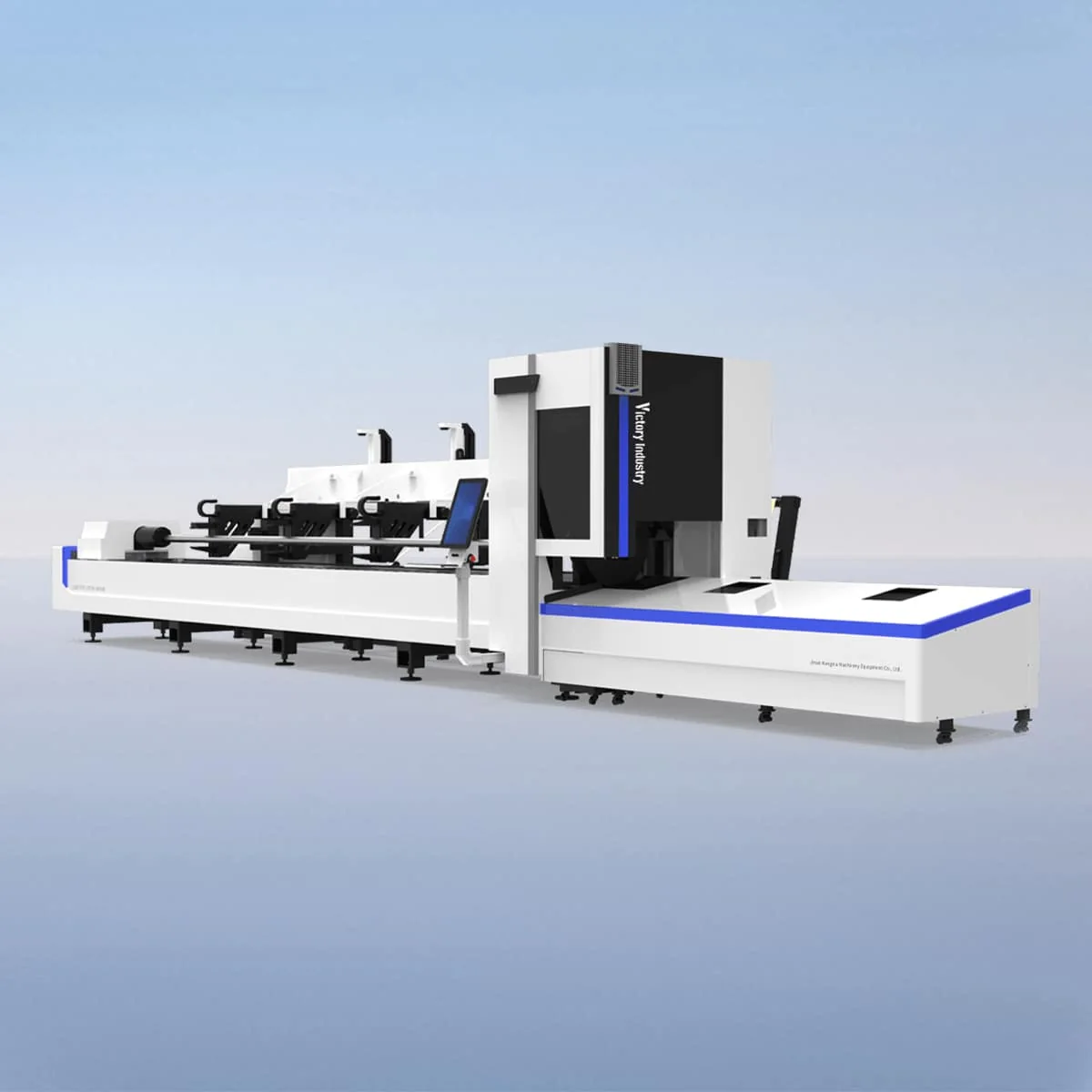
Tube Laser Cutting Machine
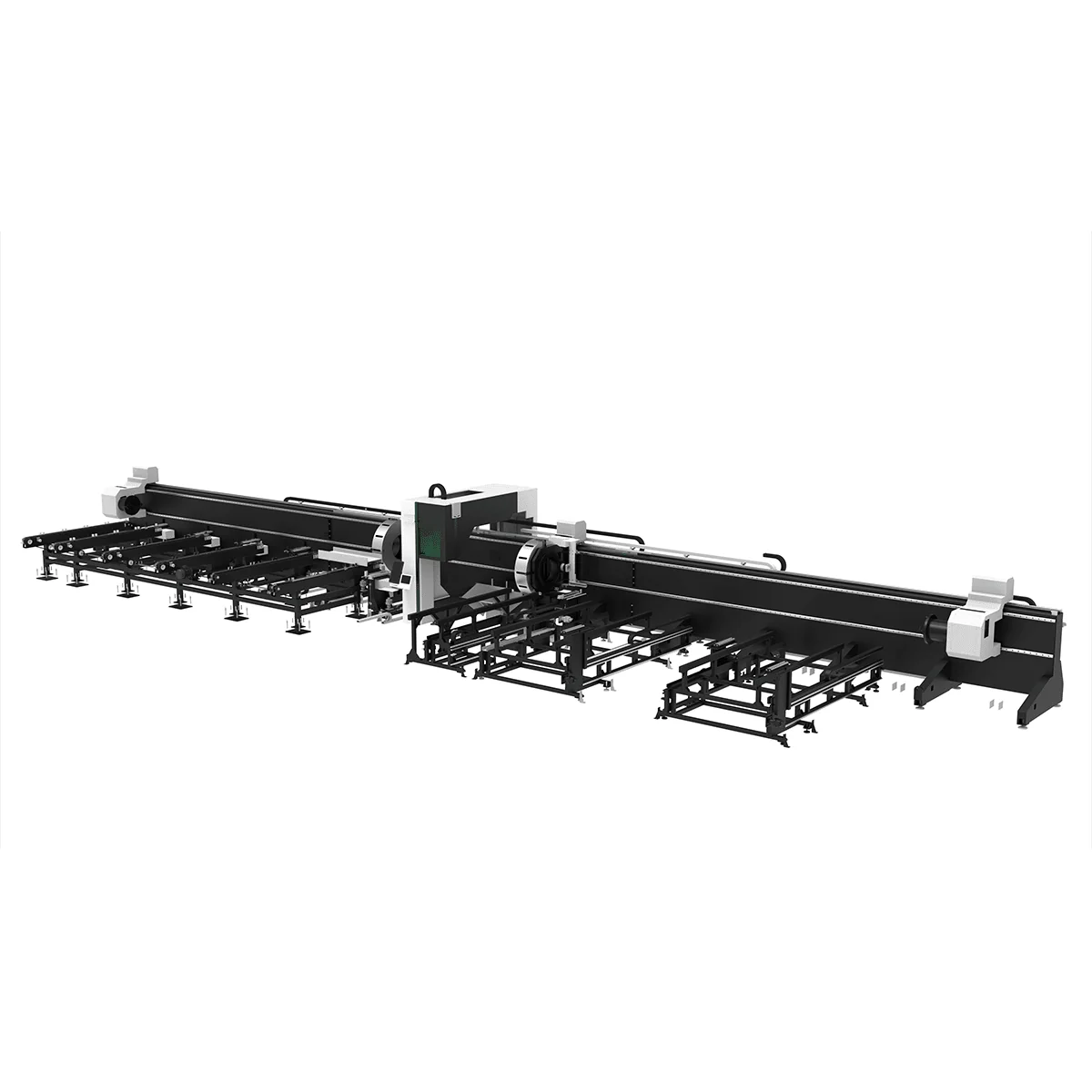
Tube Laser Cutting Machine
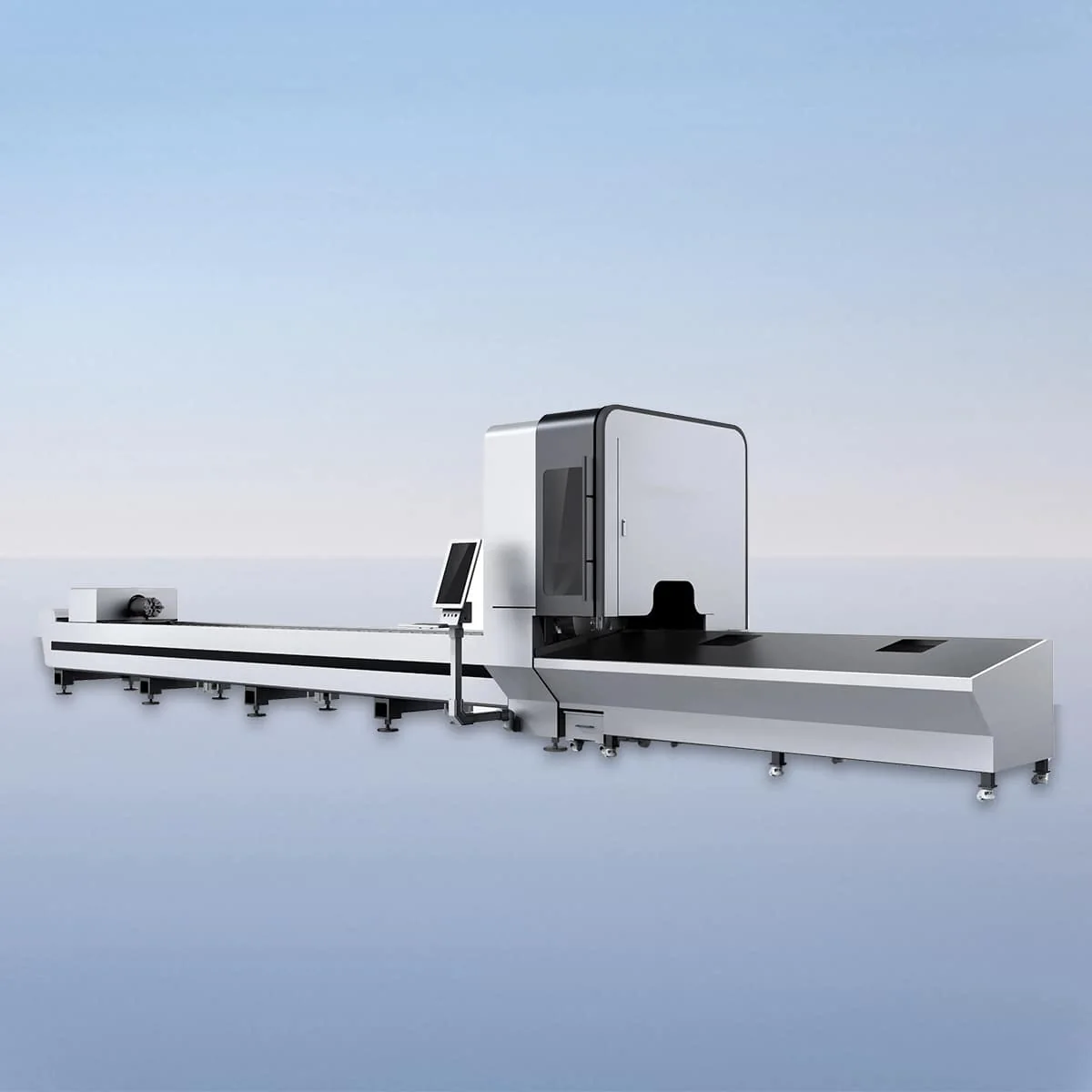
Tube Laser Cutting Machine
The laser cutting machine catalog at Victory Industry contains nineteen series. Six VIC series sit in the CO2 cutting category; thirteen fiber cutting series cover sheet, tube and combined sheet-and-tube directories, including a structural-profile entry. This breadth makes the workpiece a better starting point than a single power figure. Select the relevant directory, then compare the series and models listed within it.
For a sheet job, begin with the sheet-cutting category. For a tube or profile enquiry, open the tube category and identify the actual shape you need assessed. For a mixed requirement, use the combined sheet-and-tube directory. These routes organize the published equipment; they do not establish that one machine handles every material or workpiece placed under the wider cutting heading.
Browse sheet cutting →Browse tube cutting →Browse combined cutting →The CO2 directory contains VIC, VIC-A, VIC-C, VIC-D, VIC-E and VIC-F. The sheet directory contains VIB, VIE, VIF-A, VIF, VIH and VIP. VIE-T, VIF-T and VIP-T appear in the combined directory, while VIT, VIT-A, VIT-F and V100 form the tube directory. Keep those identities with your application notes when moving between pages.
Within each route, distinguish an identified series from a fully specified model. Some series provide several model columns; others need a direct configuration enquiry. VIF-A is available as a catalog entry, but its specifications should not be filled using VIF values. A similar name, suffix or photograph is not a reliable way to assign the configuration of another series.
VIC6040 lists a Working Area of 600×400mm, while VIF3015 lists a Cutting Area of 3000×1500mm. Those are examples tied to their own models, not a formula to apply to every product name. In a tube enquiry, VIT6022 lists 6000×220mm under Cutting Area. Ask how that published field applies to your workpiece rather than silently relabeling it as a maximum diameter or loading length.
V100 has its own structural-profile parameter set, including a distinct Tube Processing Range and a Loading Method listed as manual loading. Keep that terminology separate from the model-area entries elsewhere in the catalog. Record the original field label, value and model together. When two tables describe different things, request clarification instead of forcing the figures into the same comparison column.
Victory Industry is a manufacturer of smart laser equipment based in Jinan, China. If you are comparing laser cutting machine manufacturers, provide each candidate with the same drawings and selection requirements. Start with the relevant Victory Industry series, its proposed model and the configuration you want priced. This gives the supplier discussion an identifiable technical scope.
List the material specification, thickness, workpiece dimensions and intended cutting result. Add any existing handling equipment and installation constraints you want considered. Ask the offer to distinguish the selected laser source, head, control system and other options from alternatives listed in the catalog. Published component choices are options to confirm, not a statement that all listed brands are installed together.
When approaching laser cutting machine manufacturers in China, combine the technical brief with the installation destination and requested commercial scope. Ask which equipment, options and support activities are included in the proposed offer. Keep delivery timing, installation responsibilities and other terms tied to that quotation. Company location and a product page do not establish those terms for every destination or order.
For more than one workpiece type, send representative drawings for each and identify your priorities. If the purchase is intended to cover both sheets and tubes, state both requirements explicitly. Do not let a quotation based on one drawing become an assumed approval for all other work. Retain unresolved material, handling or configuration questions alongside the shortlisted machine.
Use the category pages to narrow the equipment family, the series pages to locate the model and the model page to check its complete published parameters. Keep a comparison record with the full name, relevant field values, requested options and drawing references. The directory provides orientation; the detailed product route supplies the numerical context for a particular candidate.
Send the shortlist with your application brief through the contact page. Ask for any sample-assessment requirements and the assumptions behind the proposed configuration to be stated clearly. If a parameter is missing or a field needs explanation, leave it as a question. Choosing a machine means resolving those points for your work, not assembling the largest specification from several unrelated tables.
Explore CO2 cutting →Prepare a cutting application brief →Discuss your cutting shortlist →The current directory contains nineteen series: six CO2 series and thirteen fiber cutting series distributed across sheet, tube and combined categories. Open a category to see the relevant members.
Start with the workpiece and its required process, then compare power and component options within the relevant series. A power figure alone does not define a material result or complete machine configuration.
Do not change a parameter meaning without confirmation. Keep the original label and model with the value, and ask how it applies to the workpiece in your enquiry.
No. They are separate catalog entries. Request a VIF-A-specific configuration instead of filling its missing specifications with VIF values.
Use the same drawing revisions, materials and requirements for each candidate. Identify the full model and ask each offer to separate selected components, optional equipment and the proposed support scope.
Share your material, dimensions and process. Start a conversation about the right configuration.