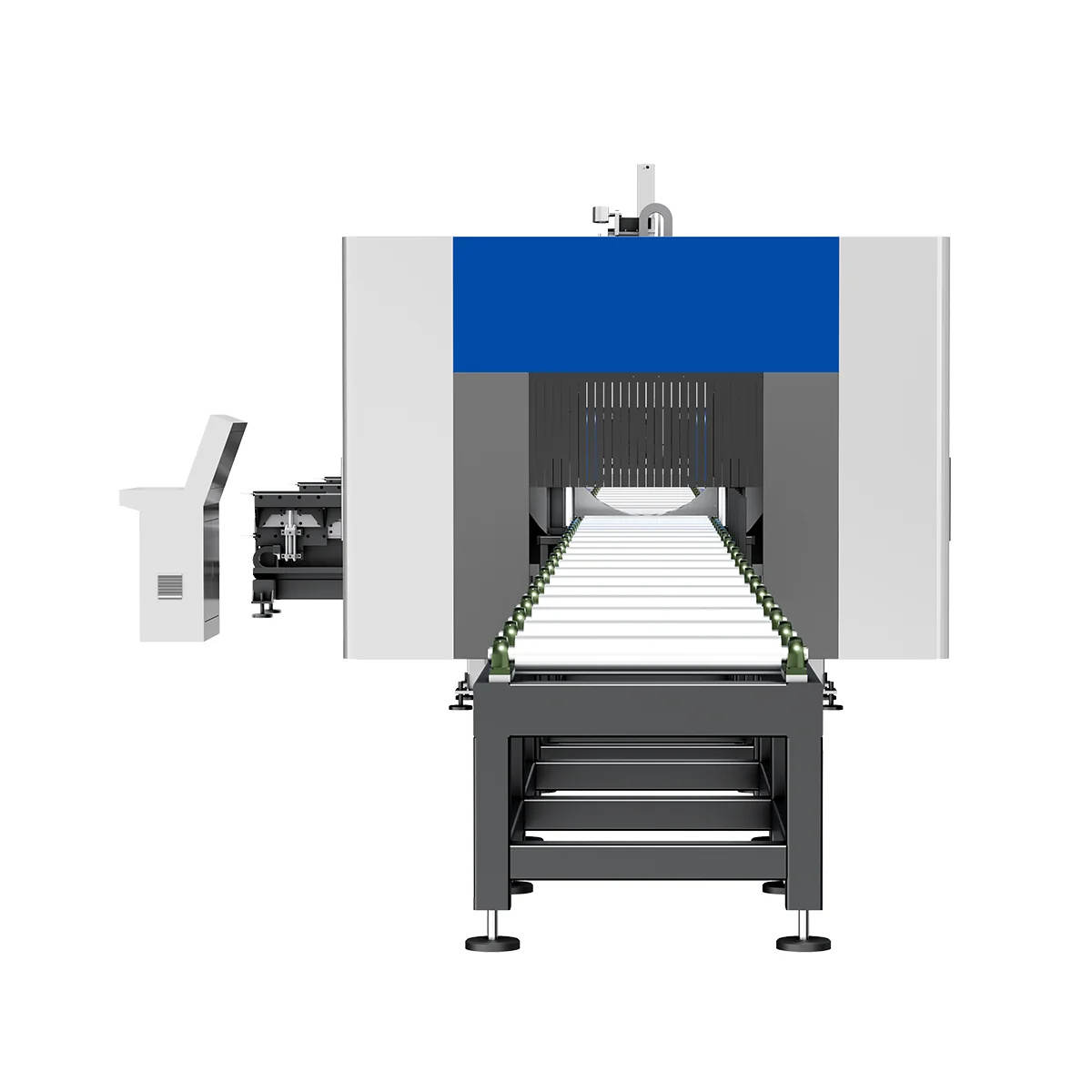
V100 Structural Steel Profile Laser Cutting Machine
Tube Laser Cutting Machine
- Tube Processing Range
- Round tubes: dia. 150-1000 mm; Square tubes: 150 x 150-850 x 850 mm; I-beams and H-beams channel steel: 10#-85#
- Loading Length
- 12000 mm

Explore this tube laser cutting machine guide. Compare model specifications and configuration options, then prepare the requirements for your equipment enquiry.
Tube Laser Cutting Machine
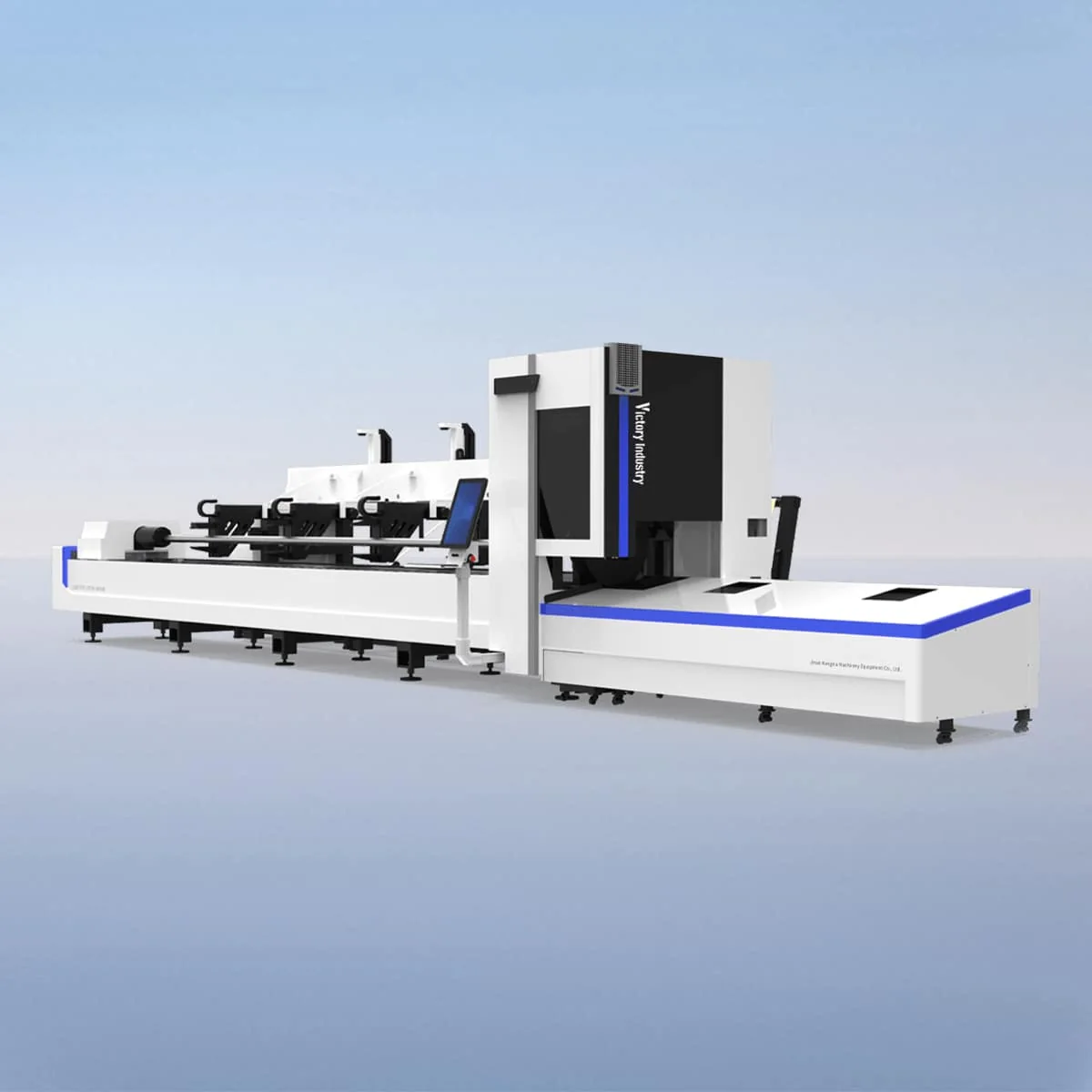
Tube Laser Cutting Machine
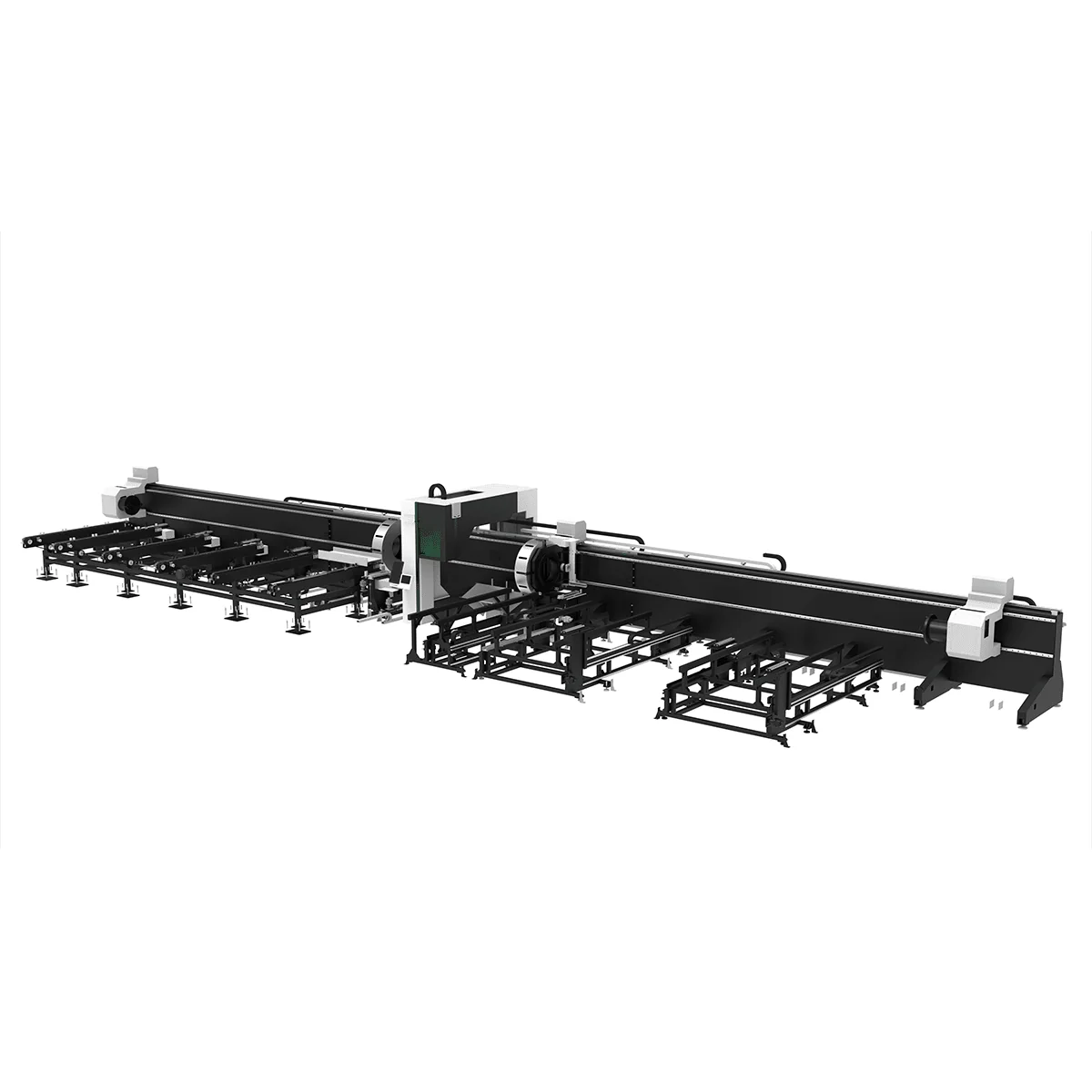
Tube Laser Cutting Machine
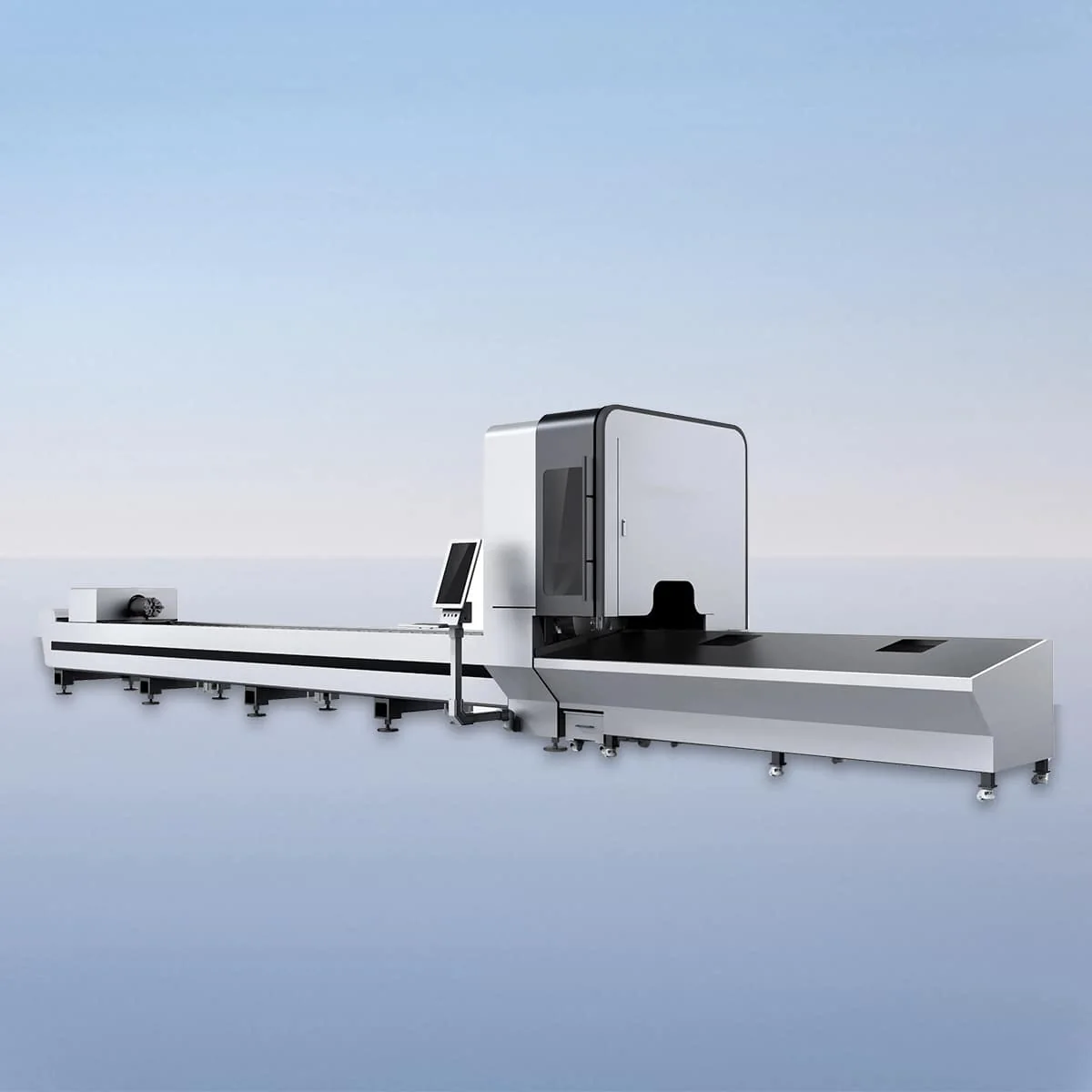
Tube Laser Cutting Machine
The tube laser cutting machine directory contains VIT, VIT-A, VIT-F and V100 Structural Steel Profile Laser Cutting Machine. Identify the shape of your workpiece before comparing their tables. The directory includes tube-related model entries and a structural-profile entry, so their specifications should not be flattened into a single unlabeled capacity figure.
Use VIT, VIT-A or VIT-F to locate the listed model columns, and open V100 for its separate parameter set. Keep the full family and model identity with your drawing. A similar field or number elsewhere in the catalog is not a replacement for the specification of the machine you are considering. This matters when several people are collecting information for the same purchase.
Explore VIT →Explore VIT-A →Explore VIT-F →VIT6022 and VIT6035 list 6000×220mm and 6000×350mm under Cutting Area. VIT-A6022 and VIT-A6035 use the same field values within their own series. VIT-F35, VIT-F52 and VIT-F85 list 12000×350mm, 12000×520mm and 12000×850mm under Working Area. Keep those labels and model names in your notes rather than silently redefining them as maximum tube diameter or loading length.
Ask how the relevant field applies to your section shape, dimensions and intended workpiece length. Supply a drawing that makes those requirements explicit. If you need a defined loading length, finished-part length or section limit, request that information under its own label. A comparison is more useful when it distinguishes what the published table says from the additional application information you need.
V100 explicitly lists a Tube Processing Range: round tubes of 150–1000mm diameter, square tubes from 150×150 to 850×850mm, and an entry for I-beams, H-beams and channel steel designated 10#–85#. Retain those published designations and provide your actual profile drawing for review. Do not translate the profile designation into another dimension without a confirmed specification.
The V100 table separately lists manual loading and a Loading Length of 12000mm. These are identified fields, unlike an inferred meaning assigned to another series area entry. Ask how the proposed loading and workpiece arrangement relates to your project. A published range does not establish a result on every section, wall thickness or part design inside a broad category.
Review V100 specifications →Victory Industry is a manufacturer of smart laser equipment based in Jinan, China. When contacting a tube laser cutting machine manufacturer, identify the actual section and the model candidates you want considered. Send the material specification, section dimensions, wall thickness and length with the drawing. Mark the features and finished result that are important to your application.
Compare power and controls only within the relevant source table. VIT and VIT-A list 1000–6000W, while VIT-F lists 12–20kW and an FSCUT control system. These are configuration entries, not a guarantee of cutting thickness or production speed for your part. Ask the offer to specify the selected source, power and control arrangement rather than treating a range as a fixed delivered specification.
For a China tube laser cutting machine purchase, include the intended installation location and the handling equipment you already use or plan to provide. Describe how raw workpieces would arrive and how finished parts would be collected. These are project requirements to discuss; they do not establish that a feeder, support arrangement or unloading system is included with every listed machine.
Ask the quotation to separate the selected equipment, optional items and work assigned to your team. Where support or installation assistance is requested, have that scope described for the actual destination. Keep the drawing revision and configuration assumptions with the commercial offer. This prevents a later change in section or workpiece length from being treated as part of an earlier, different request.
Build a short record with the series, model, published dimension labels and selected component options. Add your actual section dimensions and length as application requirements in a separate column. Keep unanswered questions visible, especially where tables use different terms. For VIT, do not fill missing accuracy information using a VIT-A or VIT-F value merely to make the comparison look complete.
Use the application guide to organize the drawing package, then contact Victory Industry with the shortlist. Ask which samples or further details are needed before accepting the proposed process. The result should be a configuration-specific discussion with traceable requirements, rather than a claim that one directory page has already established every cutting and handling limit for your project.
Prepare your tube or profile brief →Discuss tube cutting equipment →VIT, VIT-A, VIT-F and V100 are the four entries. V100 has a separate structural-profile parameter set, while the VIT families provide named model columns.
Do not silently change the field meaning. Preserve the published label and model, then ask how it applies to your section shape and dimensions.
Its table separately lists manual loading and a Loading Length of 12000mm. Confirm the proposed handling arrangement for your own workpieces and installation.
No. Keep each series specification separate. Ask for the required information on the specific model instead of transferring a value from a neighboring table.
Identify material, section shape and dimensions, wall thickness, workpiece length and the features to cut. Include handling and installation information so the proposed configuration can be discussed in context.
Share your material, dimensions and process. Start a conversation about the right configuration.