How do VIC6040A and VIC9060A compare?
Their working areas are 600*400mm and 900*600mm. Both list the same 80-600W power range; the selected power remains a separate configuration item.

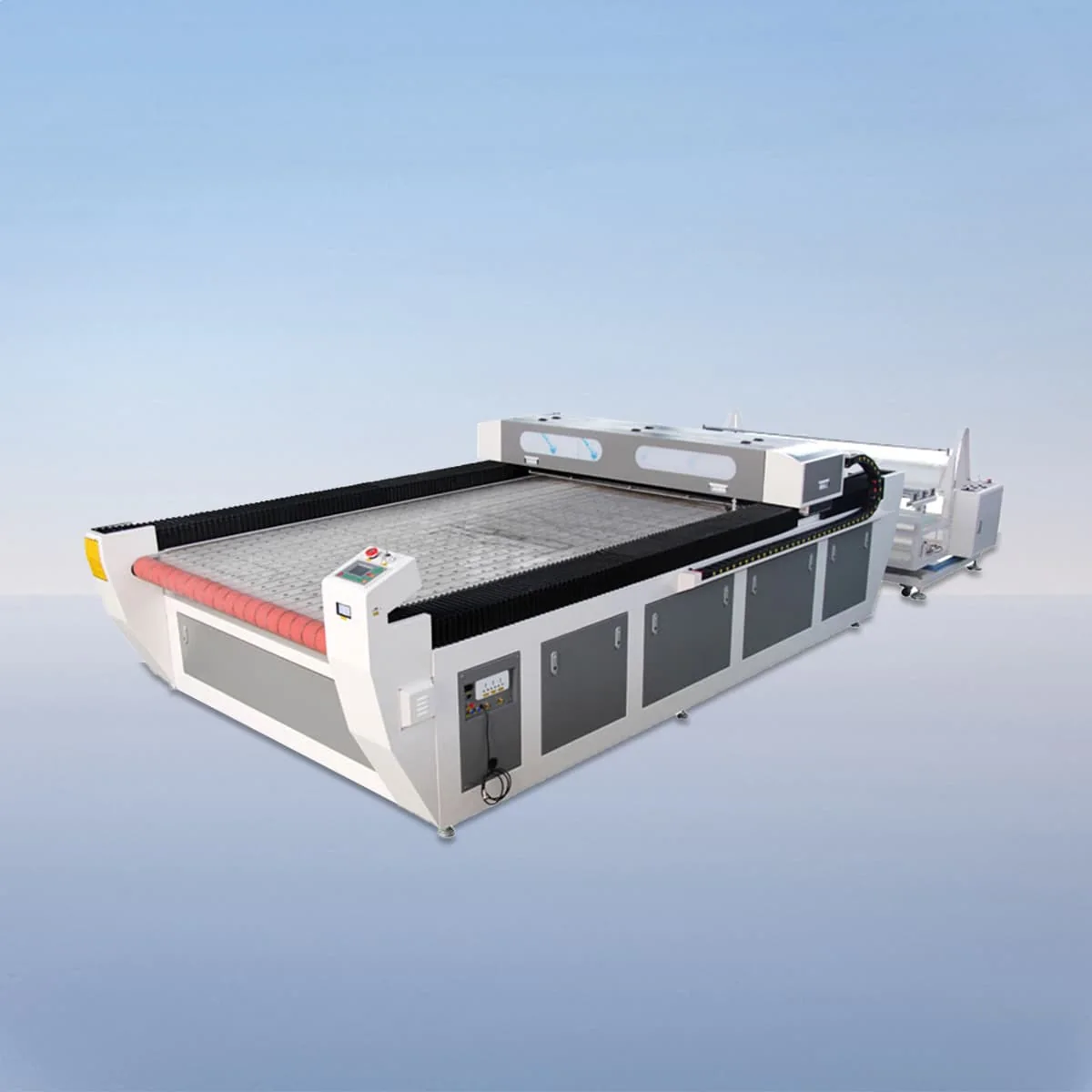
Laser Cutting Machine
VIC-A is a CO2 laser cutting machine family with automatic feeding into the cutting area. The device loads workpieces, making the way material is presented an important part of the equipment discussion. There are seven working-area models, each with a listed power range of 80-600W.
A CO2 head and tube are combined with linear guides, a stepper motor and belt drive. The product is positioned for non-metal cutting, with acrylic, wood, leather and plastic named in the description. Exact grade and thickness belong in the specification for the proposed job.
Choose an individual model below to view its complete technical specification. The series overview shows selected parameters for comparison.
VIC6040A and VIC9060A offer working areas of 600*400mm and 900*600mm. Their difference is straightforward: the latter increases both listed dimensions. VIC1390A is 1300*900mm and VIC1610A is 1600*1000mm, giving two further formats for the workpiece layout.
The remaining areas are 1300*1800mm on VIC1318A, 1300*2500mm on VIC1325A and 1500*3000mm on VIC1530A. These dimensions describe the cutting area. The feeding arrangement and incoming material dimensions should be recorded separately, so that the chosen table and proposed loading task are discussed together.
An aluminum blade worktable appears in the configuration description, while Knife Table or Honeycomb Table are listed options. Include the chosen surface when defining the equipment. Automatic feeding does not make the table selection disappear.
VIC-A CO2 laser cutting machine planning has a natural sequence: describe the material before loading, the work required in the cutting area and the way completed pieces will leave. The documented feeding function covers loading into the cutting area. Your project information can identify the surrounding steps without assuming they are all supplied as one unattended line.
A stock description should include its material designation, thickness, dimensions and presentation. A part file serves a different purpose, showing the required geometry and any separate operations. Keeping those two descriptions distinct makes it easier to spot a change in stock size or design during equipment discussions.
For repeat work, identify the layouts and quantities that recur. If several designs share the same incoming material, group the stock details but keep each design labeled. This is useful planning information for the intended task, rather than a claim of demonstrated output.
The listed controller is Ruida with USB interface. PLT, DXF, BMP, JPG and AI appear among the graphic formats. Submit a representative file in your intended format, with the cutting instructions clear in the drawing or its accompanying notes.
Laser power is listed at 80-600W throughout the family. Choose the working-area model first if the stock outline is already known, then identify the proposed power as a separate selection. The format names do not assign a single power to each machine.
Position accuracy is 0.01mm, repetition accuracy is 0.02mm and minimum line width is no greater than 0.15mm in the specification. Cutting speed is listed at 150mm/s. These labeled values sit alongside the job requirements; they are not a complete processing recipe for the four named material categories.
The electrical choices are 220V/50HZ and 110V/60HZ. State the required supply with the requested table, power and feeding arrangement. A simple layout showing the stock route and proposed equipment position helps complete the configuration discussion.
Their working areas are 600*400mm and 900*600mm. Both list the same 80-600W power range; the selected power remains a separate configuration item.
The source describes a device that automatically loads workpieces into the cutting area. It does not define every preceding and following step as an unattended production line.
Acrylic, wood, leather and plastic are the published examples. The exact grade, thickness and intended result should be provided for a particular application.
VIC1325A carries that entry. VIC1318A is 1300*1800mm and VIC1530A is 1500*3000mm, so retain the complete model when comparing layouts.
Provide incoming stock details, its presentation, the required operations and quantities. Add the requested model, power, worktable and local supply if those selections are already known.
Share your material, dimensions and process. Start a conversation about the right configuration.